
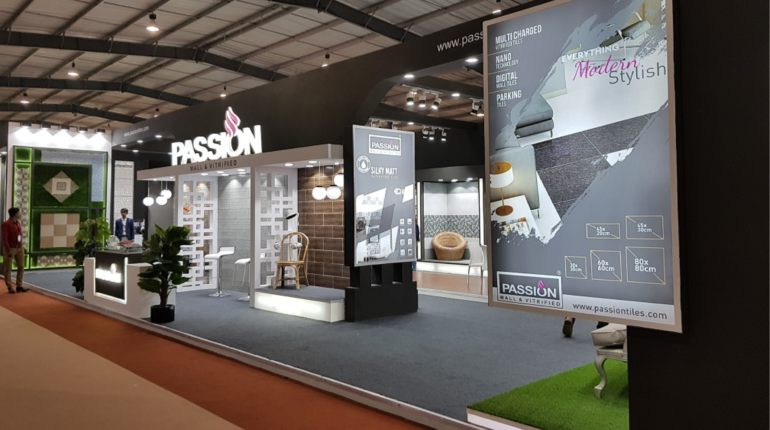
In a crowded exhibition hall, attention is currency. Every brand is competing for the same thing, visibility, engagement, and ultimately, conversions. The difference between a stall that gets ignored and one that drives serious business often comes down to how well it’s designed and built.
Exhibition stall design is not just about aesthetics. It’s a strategic blend of branding, psychology, spatial planning, and customer experience. When executed right, it becomes a powerful sales tool that works continuously throughout the event.
Let’s break down what actually makes an exhibition stall deliver real business impact.
Why Exhibition Stalls Matter More Than Ever
Trade shows and exhibitions are one of the few marketing channels where you get direct, face-to-face interaction with potential buyers. That alone makes them incredibly valuable.
But here’s the catch, people decide within seconds whether to stop at your stall or walk past it.
Your stall is doing three things simultaneously:
- Representing your brand
- Attracting footfall
- Converting visitors into leads or customers
If any one of these fails, the entire effort weakens.
First Impressions Are Designed, Not Accidental
When someone walks into an exhibition hall, they are visually scanning dozens of stalls at once. Your design needs to cut through that noise instantly.
This is where structure, color, lighting, and layout come into play.
A high-impact stall typically includes:
- Strong visual hierarchy (clear brand visibility)
- Open and inviting layout
- Strategic lighting that highlights key areas
- Clean, uncluttered messaging
The goal is simple, make it easy for someone to understand who you are and what you offer within a few seconds.
Design That Guides Behavior
Good stall design doesn’t just look good, it directs movement.
Think about how people interact with your space:
- Where do they enter?
- What do they see first?
- Where do they pause?
- Where do conversations happen?
Every element should guide visitors naturally through your stall.
For example:
- A product demo area near the entrance draws people in
- Seating areas encourage longer conversations
- Screens or displays create engagement points
When design and behavior align, engagement increases automatically.
Fabrication: Where Ideas Become Reality
Even the best design is useless if it’s not executed properly. Fabrication is what turns a concept into a physical structure, and quality here makes a massive difference.
Precision, durability, and finishing all matter.
A well-fabricated stall:
- Looks premium and professional
- Maintains structural integrity throughout the event
- Reflects attention to detail
Poor fabrication, on the other hand, can instantly damage brand perception.
This is why businesses often look for specialized services like exhibition stall fabrication in Surat, where execution capabilities match design intent and deadlines are taken seriously.
Custom vs Modular Stalls: What Works Better?
There’s no one-size-fits-all answer here. It depends on your goals, budget, and frequency of exhibitions.
Custom Stalls
- Fully tailored design
- Unique brand presence
- Higher impact
- Higher cost
Modular Stalls
- Reusable structures
- Cost-effective
- Faster setup
- Limited customization
If your priority is standing out in a competitive exhibition, custom design usually delivers better results. But if you participate frequently, modular solutions can be a smart long-term investment.
Branding That Actually Connects
A lot of stalls make the mistake of overloading visuals, too much text, too many elements, and no clear message.
Here’s what works better:
- One strong headline
- Clear value proposition
- Consistent color and typography
- Minimal but impactful visuals
People don’t read everything, they scan. So, your branding needs to communicate fast and clearly.
Technology as an Engagement Tool
Technology can take your stall from static to interactive.
Some effective integrations include:
- Touchscreens for product exploration
- LED walls for dynamic visuals
- AR/VR experiences for immersive engagement
- Live demos and presentations
But here’s the key, technology should support your message, not distract from it.
Lighting: The Silent Game-Changer
Lighting is often underestimated, but it can completely transform how your stall looks and feels.
Good lighting:
- Highlights key areas
- Creates depth and contrast
- Enhances product visibility
- Sets the overall mood
Warm lighting can make a space feel welcoming, while focused spotlights can draw attention to specific products or displays.
Space Optimization Matters
Exhibition spaces are usually limited and expensive. Every square foot needs to work efficiently.
Smart space planning includes:
- Open layouts to avoid congestion
- Clear pathways for movement
- Multi-functional areas
- Storage solutions hidden within design
A well-planned stall feels spacious even in a compact area.
The Role of Location and Audience Targeting
Not all exhibitions are the same. The type of audience, industry, and location all influence how your stall should be designed.
For instance, businesses looking for an exhibition stall designer in Vadodara often focus on creating region-specific appeal while maintaining a professional brand image that resonates with local and national audiences.
Understanding your audience helps you:
- Choose the right design style
- Craft relevant messaging
- Create better engagement strategies
Staff + Stall = Complete Experience
Even the best stall design needs the right people to bring it to life.
Your team should:
- Be approachable and well-trained
- Understand the product deeply
- Engage without being pushy
- Qualify leads effectively
Think of your stall as the stage and your team as the performers. Both need to work together.
Lead Capture and Follow-Up Strategy
At the end of the day, exhibitions are about business outcomes.
You need a clear system to:
- Capture visitor details
- Categorize leads (hot, warm, cold)
- Follow up quickly after the event
Digital tools, QR codes, and CRM integrations can make this process smooth and efficient.
Measuring Success Beyond Footfall
A crowded stall looks impressive, but numbers alone don’t tell the full story.
Focus on:
- Quality of leads generated
- Conversion rate post-event
- Engagement time per visitor
- ROI compared to investment
This data helps you improve your strategy for future exhibitions.
Common Mistakes to Avoid
Let’s keep this real, many stalls fail because of avoidable mistakes:
- Overcrowded design
- Poor lighting
- Weak messaging
- Lack of engagement strategy
- Ignoring fabrication quality
- No clear lead capture system
Fixing these alone can significantly improve performance.
The Bigger Picture: Experience Over Display
The most successful stalls don’t just display products, they create experiences.
They make visitors feel something:
- Curiosity
- Interest
- Trust
- Excitement
And that emotional connection is what drives conversions.
Final Thoughts
Exhibition stall design and fabrication is where creativity meets business strategy. It’s not just about building something that looks good, it’s about building something that works.
When design, execution, branding, and engagement come together, your stall becomes more than just a space. It becomes a powerful sales engine.
If you’re serious about making exhibitions a consistent source of leads and growth, it’s worth investing in the right approach and the right team.
That’s exactly where companies like Expolens Exhibitions step in, bringing together design expertise and fabrication precision to create stalls that don’t just attract attention, but drive real business results.